Property plumbing maintenance Sydney
Structured plumbing checks, repairs and records for households and managed properties, prioritised by condition, consequence and access.
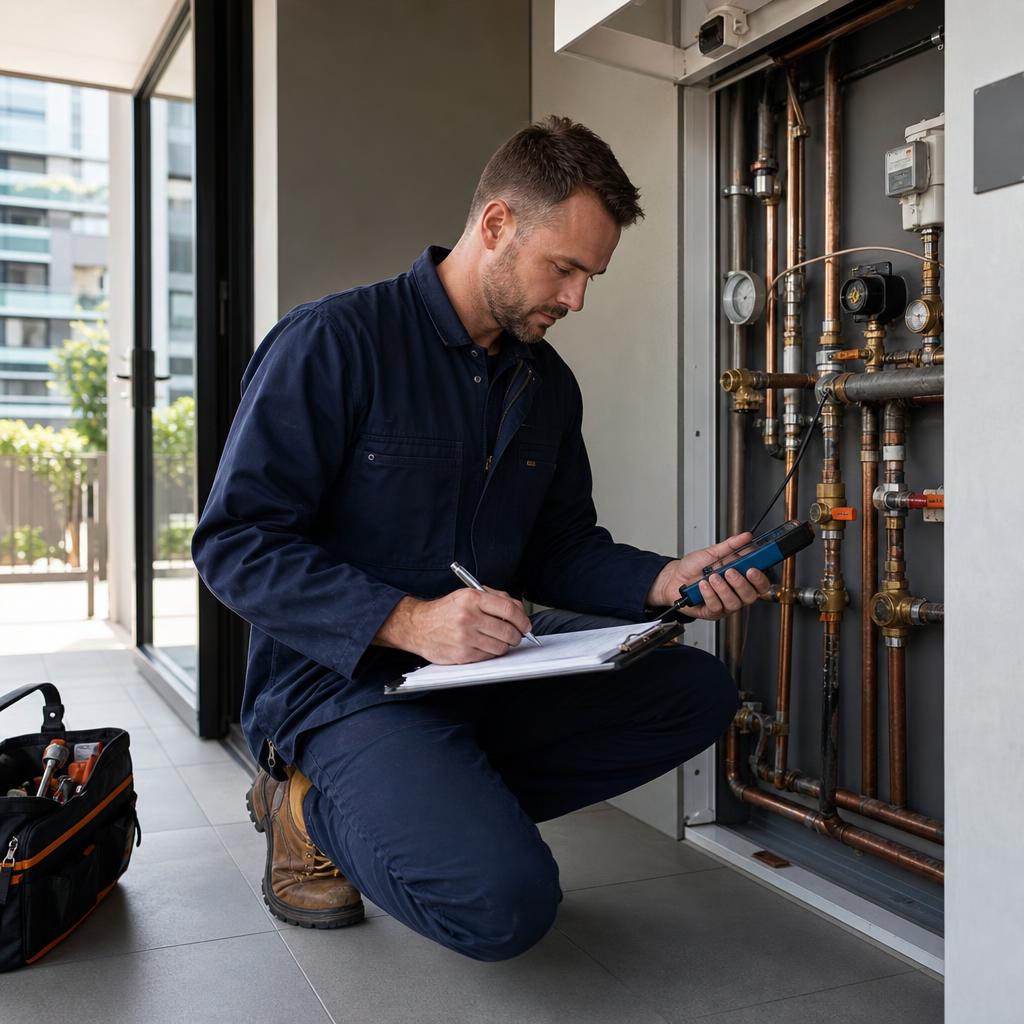
Good maintenance is not a generic list of annual replacements. It starts with the property's pipe materials, fixtures, hot-water system, drainage history, occupancy and consequence of failure. Civic Plumbing Australia helps owners, strata contacts and property managers turn recurring faults and scattered invoices into a practical plan of checks and repairs.
Work can be grouped to reduce disruption, while urgent safety or active leakage remains separate from routine tasks. Civic records what was observed, what was tested and which recommendations depend on access or further investigation. Service locations are within approximately one hour's travel of Sydney CBD, subject to traffic, job urgency and availability.
Our Process
Understand the property
Civic reviews building type, occupancy, known assets, fault history, access rules and the consequences of an interruption or leak.
Inspect agreed items
Accessible plumbing is checked systematically, with observations separated from tests and inaccessible areas clearly identified.
Prioritise action
Active hazards and leaks come first, followed by condition-based repairs, investigation needs and sensible monitoring rather than an arbitrary schedule.
Record and plan
Completed work, remaining issues, isolation impacts and suggested next triggers are set out so future visits build on reliable information.
What to Expect
Start with a clear asset and issue list. Include the water meter and main valve, hot-water equipment, pumps, known inspection openings, recurring faults and any tenant reports. Existing plans, invoices and photographs can prevent repeated investigation. For strata or managed property, nominate the person authorised to approve variations and clarify access, parking, keys, resident notice and any restricted work hours.
Civic will agree the inspection scope rather than imply that every concealed pipe has been checked. Accessible taps, toilets, hoses, valves, visible pipework and plant can be observed or operated as appropriate. A valve that appears seized should not be force-tested without a plan for failure. Roofs, confined spaces, electrical panels and locked common areas require suitable access, authority and safety controls.
Recommendations are prioritised by likelihood and consequence. An active leak or unsafe hot-water symptom needs prompt action; a worn but serviceable component may be monitored or grouped with planned work. Recurrent drain clearing may justify investigation, while a one-off local obstruction may not. Useful records state the asset, location, observed condition, action, test result and trigger for review instead of simply saying that maintenance was completed.
Occupant communication matters. Confirm which amenities will be unavailable, expected noise or odour, and who will tell residents when services can be used again. After work, retain photographs and reports in one property record. Maintenance reduces avoidable surprises but cannot guarantee that a concealed component will not fail; emergency contacts and correctly identified isolation points remain essential.
Frequently Asked Questions
- How often should plumbing maintenance be completed?
- There is no single interval for every property. Building age, materials, equipment instructions, prior faults, occupancy and failure consequences should set the checks and review triggers.
- Can tenant repair requests form part of the plan?
- Yes. Group reports by asset and symptom, including dates and photos. Repeated complaints can reveal an unresolved system issue rather than unrelated minor faults.
- Will every recommendation need immediate work?
- No. Civic separates active safety or damage risks from planned repairs, investigation and monitoring so the authorised contact can make informed decisions.
- What should a useful maintenance record contain?
- It should identify the exact asset and location, symptom, observed condition, tests, work completed, parts where relevant, operating status and the next action or review trigger.