Plumbing for Real Estate & Property Managers
Clear plumbing coordination for rental and managed properties, from tenant-reported faults to owner approvals, repairs and useful service records.
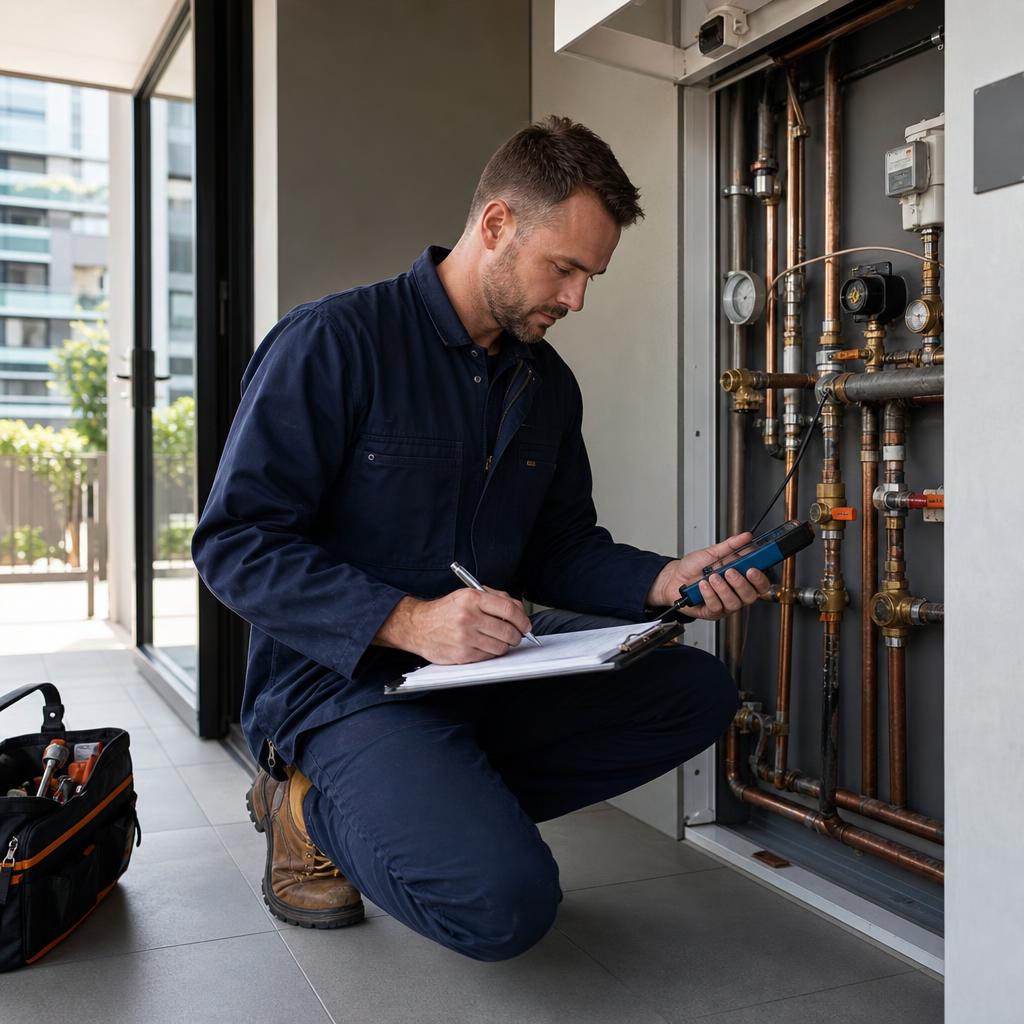
Property managers need enough information to act without creating unnecessary delay for tenants or uncertainty for owners. Civic Plumbing Australia helps assess rental-property plumbing faults, communicate the practical scope and record the outcome for the people managing access and approval.
Requests may involve active leaks, blocked drains, toilets, hot water, accessible pipework or planned maintenance. Civic works from the reported symptoms and site evidence, not from unsupported assumptions. Availability varies with urgency, location, traffic, access and current workload.
Our Process
Receive a complete work order
The property, tenant contact, reported symptoms, urgency, access method and approval authority are confirmed.
Arrange practical access
Civic coordinates the attendance details while the property manager or authorised party handles tenant notice and permissions.
Assess and repair
The plumbing fault is investigated and work proceeds within the agreed scope, with additional findings reported before expansion.
Close the communication loop
Completed work, operating status and any follow-up recommendation are communicated in terms useful to the manager and owner.
What to Expect
A useful work order includes the full property address, tenant or key contact, the exact fixture or room, symptoms, when the issue began and what makes it better or worse. Add photographs where they clarify the location, but do not ask a tenant to dismantle plumbing or enter an unsafe area. State the approval limit and who can authorise additional investigation.
Urgency should reflect risk and loss of essential service rather than convenience alone. Water near electricity, sewage overflow, an unstable wet ceiling or uncontrolled water flow requires immediate safety action. A dripping tap, intermittent cistern or slow drain may still need attention, but the practical attendance sequence depends on current conditions and access.
If the fault differs from the tenant report, Civic explains the evidence before broadening the work. A hot-water complaint may involve supply, controls, electrical or gas components outside the initial plumbing scope. A recurring blockage may justify investigation rather than another unrecorded clearing. Owner approval remains important where the repair scope changes.
For vacant properties, confirm safe access, current service status and whether water should remain on. For occupied properties, the managing party should provide required notice and clarify pets, parking, alarms or restricted areas. Service records should identify what was found and completed so future requests can be compared with reliable information.
Frequently Asked Questions
- Can Civic communicate with tenants about access?
- Civic can coordinate practical attendance details with the nominated contact. The property manager or authorised party remains responsible for required notices and permissions.
- What happens if the required work exceeds the approval limit?
- Civic can explain the observed issue and proposed next scope so the authorised contact can decide whether to proceed, subject to immediate safety requirements.
- Can photos be supplied with service records?
- Photos can be provided where they are useful and appropriate, alongside a clear description of observations, work completed and remaining recommendations.
- Can Civic assist with recurring rental-property faults?
- Yes. Previous dates, reports and repairs can be reviewed to help distinguish repeated symptoms from unrelated local issues.