Strata Plumbing Sydney
Plumbing assessment and repairs for apartments and shared-property settings, with attention to access, isolation, records and resident communication.
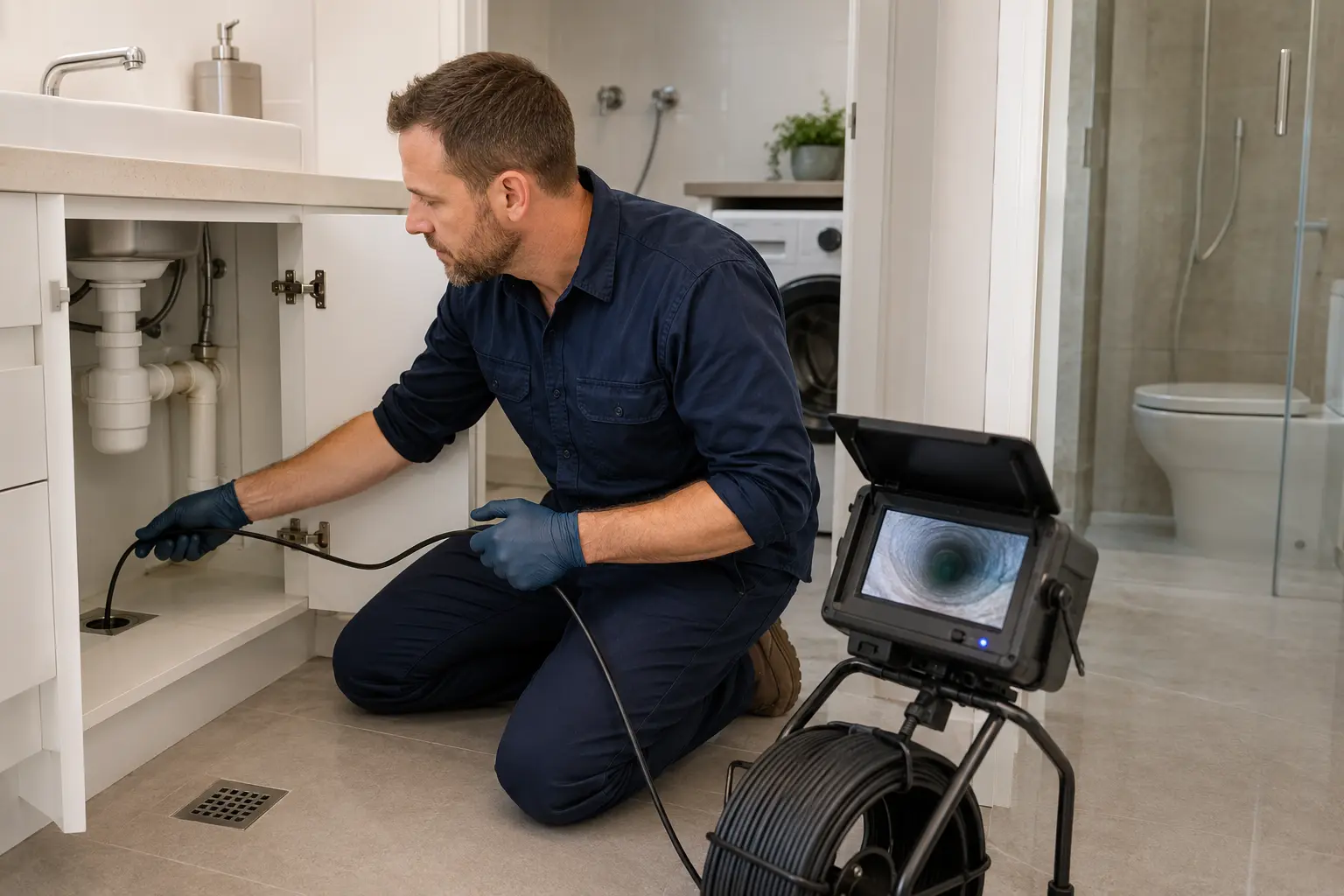
Plumbing in an apartment building can cross unit, common-property and service boundaries. A stain may appear in one lot while the source sits elsewhere, and an isolation may affect several residents. Civic Plumbing Australia approaches strata plumbing by documenting the observed fault, the plumbing scope and the access needed before conclusions are drawn.
Civic can assist with apartment leaks, blocked drains, sewer symptoms, toilets, fixtures, hot-water issues and recurring plumbing faults. The relevant owner, resident, strata manager or committee remains responsible for deciding authority and responsibility. Civic does not make legal ownership determinations.
Our Process
Identify affected lots and services
The reported location, timing, water type, connected fixtures and impact on other lots or common areas are recorded.
Confirm authority and access
The nominated contact clarifies keys, resident notice, common-area access, approval limits and any planned isolation.
Investigate the plumbing fault
Accessible plumbing is checked in a controlled sequence, with observations distinguished from assumptions about concealed routes.
Document the scope
Civic records what was observed and completed so the relevant parties can determine responsibility and approve any further work.
What to Expect
Provide the strata plan or available plumbing information, the affected lot numbers, resident contacts and any previous reports or photographs. Confirm who can approve investigation, isolation, access openings and variations. If water is near electricity, wastewater is spreading or a ceiling appears unstable, keep people away and arrange the appropriate emergency response.
Diagnosis may require access to more than one lot or to a common service area. A visible stain does not prove the source or determine responsibility. Civic can document the observed fault and plumbing scope to assist the relevant parties in determining responsibility. Legal, insurance and strata-title decisions remain outside the plumbing assessment.
Planned isolation should identify which fixtures or lots will lose service, who will notify residents and how access will be restored. Civic will not force a seized valve or interrupt a shared service without suitable authority and a safe plan. Restricted hours, lift access, parking and building rules should be confirmed before attendance.
After the agreed work, records should state the locations inspected, tests performed, repair completed and any limits caused by access or concealed services. Photos can support communication, but they do not replace a clear written scope. For recurring faults, compare reports over time rather than treating each complaint as unrelated.
Frequently Asked Questions
- Can Civic decide whether the owner or owners corporation must pay?
- No. Civic can document the observed fault and plumbing scope to assist the relevant parties in determining responsibility, but does not make legal or strata-title determinations.
- Can a leak be diagnosed from the affected apartment only?
- Sometimes, but water can travel and concealed services may cross boundaries. Access to another lot or common area may be needed to test likely sources.
- What should a strata plumbing request include?
- Include affected lots or areas, symptoms and timing, resident contacts, access instructions, approval authority, relevant photos and any previous plumbing reports.
- Can recurring strata faults be reviewed together?
- Yes. Dates, locations, symptoms and prior work can help identify whether reports point to one shared issue or separate local faults.